
DIY Outdoor and Indoor Home Fixes for Summer
Introduction
Summer is one of the best times of year to take care of home repairs and improvement projects. Longer daylight hours, warmer temperatures, and generally stable weather make it easier to tackle both indoor and outdoor maintenance tasks that may have been postponed during colder months.
Seasonal upkeep is more than just a way to keep your home looking good. Routine maintenance helps prevent larger problems, improves safety, and can even increase property value over time. Small repairs done now can save thousands of dollars in the future by preventing structural damage, water intrusion, or equipment failure.
Another advantage of summer projects is flexibility. Many home improvement tasks can be handled as simple do-it-yourself projects, allowing homeowners to save money while learning valuable skills. Even when a project eventually requires professional help, having a basic understanding of the process allows you to make smarter decisions and communicate effectively with contractors.
This guide walks through several practical indoor and outdoor fixes homeowners can complete during the summer months. From checking your roof and cooling system to improving outdoor spaces, maintaining your pool, refreshing interior walls, and restoring furniture, these projects help ensure your home stays comfortable, functional, and visually appealing all season long.
Start With a Summer Roof Inspection to Prevent Leaks
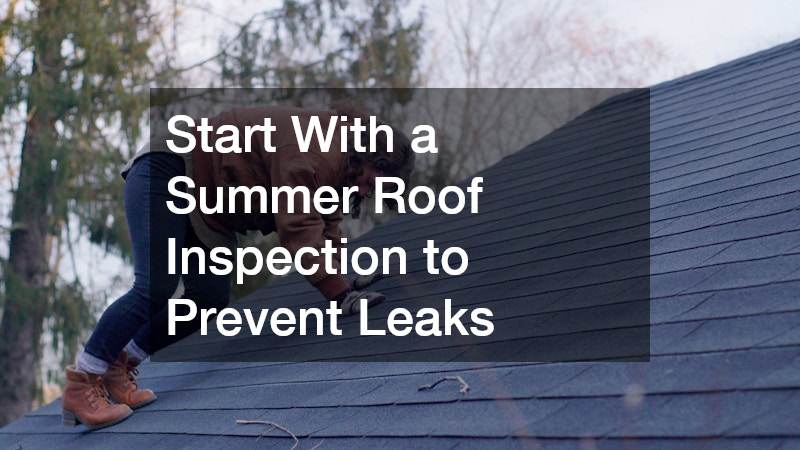
One of the most important areas of your home to inspect during summer is the roof. After months of rain, snow, wind, and temperature swings, roofing materials can weaken or become damaged. Catching issues early can prevent leaks and structural problems later.
Although major repairs are best handled by a local roof repair service, homeowners can perform basic inspections to identify potential issues before they worsen.
Signs Your Roof May Need Attention
Walk around your property and visually inspect the roof from ground level. Look for:
- Missing or cracked shingles
- Curling or warped roofing materials
- Dark streaks or moss growth
- Debris buildup in roof valleys
- Loose flashing around chimneys or vents
These problems may seem small, but can allow moisture to penetrate the roof structure.
Check Your Attic for Early Warning Signs
Roof problems often reveal themselves inside the home before they’re visible outside.
Look for:
- Water stains on ceiling boards
- Damp insulation
- Mold or mildew odors
- Sunlight shining through roof boards
If you notice any of these signs, there may already be a leak forming.
Simple Preventive Maintenance
Homeowners can perform several tasks to extend the life of their roof.
Helpful maintenance steps include:
- Cleaning gutters and downspouts
- Removing debris from roof edges
- Trimming tree branches that touch the roof
- Replacing a small number of loose shingles
These small fixes can prevent water damage and extend the lifespan of roofing materials.
When Professional Help Is Needed
If you notice widespread damage, sagging areas, or recurring leaks, it may be time to contact a local roof repair service. Professionals can identify hidden structural issues and make repairs that ensure long-term protection.
Regular inspections and small fixes during summer can prevent expensive repairs and help keep your home protected through every season.
Improve Cooling Efficiency Before Peak Summer Heat
A comfortable home during hot weather depends heavily on an efficient cooling system. Before temperatures climb too high, it’s important to ensure your air conditioning system is operating properly.
While major mechanical work should be handled by an air conditioning contractor service, homeowners can perform several simple tasks to improve system efficiency.
Replace or Clean Air Filters
Dirty air filters restrict airflow and force the cooling system to work harder.
Replace filters every one to three months during heavy use periods. Clean filters help:
- Improve indoor air quality
- Increase airflow
- Reduce strain on the system
- Lower energy bills
Clean the Outdoor Unit
The outdoor condenser unit needs plenty of airflow to function properly.
Take a few minutes to:
- Remove leaves, dirt, and debris around the unit
- Trim nearby plants or bushes
- Gently rinse the exterior coils with a garden hose
This improves efficiency and prevents overheating.
Check Thermostat Settings
Many homeowners waste energy simply by using inefficient temperature settings.
Helpful tips include:
- Set the thermostat to a comfortable but efficient temperature
- Use programmable or smart thermostats
- Increase temperature settings when the home is empty
Small adjustments can significantly reduce energy consumption.
Watch for Signs of System Trouble
If you notice any of the following issues, it may be time to contact an air conditioning contractor service:
- Weak airflow from vents
- Unusual noises during operation
- Warm air blowing from vents
- Sudden increases in energy bills
Addressing these problems early can prevent system failure during the hottest days of the year.
Repair or Upgrade Your Deck for Safer Outdoor Living
Decks are one of the most popular outdoor spaces during summer. They serve as gathering areas for family meals, relaxing evenings, and entertaining guests. However, exposure to sun, moisture, and temperature changes can cause gradual wear.
In some cases, homeowners may eventually need deck replacements, but many issues can be addressed with simple repairs.
Inspect Structural Components
Start by checking the overall condition of the deck.
Look for:
- Loose railings
- Soft or rotting boards
- Rusted screws or nails
- Unstable steps or supports
These problems can pose safety hazards if ignored.
Replace Damaged Boards
If individual boards are cracked or rotting, they can often be replaced without rebuilding the entire deck.
Basic steps include:
- Remove damaged boards using a pry bar
- Measure and cut replacement boards
- Secure them with corrosion-resistant screws
- Sand edges for smooth finishing
Sand and Refinish the Surface
Over time, wood decks become rough and faded. Refinishing improves both appearance and durability.
Steps for refinishing include:
- Cleaning the deck thoroughly
- Sanding rough surfaces
- Applying a weather-resistant sealant or stain
This protects the wood from sun exposure and moisture.
Consider Long-Term Upgrades
If the deck structure is severely worn or outdated, deck replacements may be the best option. Modern materials like composite decking require less maintenance and provide greater durability.
Maintaining your deck each summer helps keep outdoor living spaces safe and enjoyable.
Keep Your Lawn Healthy With Better Water Management

A healthy lawn can dramatically improve your home’s curb appeal. However, summer heat can quickly stress grass and plants without proper watering.
In some cases, homeowners benefit from lawn irrigation installation, but even simple watering strategies can produce better results.
Water at the Right Time of Day
Early morning is the best time to water your lawn. This allows moisture to soak into the soil before evaporation occurs.
Avoid watering during midday heat, which wastes water and can damage grass.
Water Deeply, Not Frequently
Deep watering encourages roots to grow deeper into the soil, improving drought resistance.
Instead of watering lightly every day, try:
- Watering two or three times per week
- Applying enough water to soak several inches into the soil
Use Simple Irrigation Tools
Affordable tools can make watering more effective.
Options include:
- Soaker hoses
- Drip irrigation systems
- Hose timers
- Smart watering controllers
These solutions provide more consistent moisture distribution.
Signs Your Lawn Needs Better Irrigation
Watch for indicators such as:
- Brown patches in grass
- Dry or compact soil
- Uneven lawn growth
Professional lawn irrigation installation may be helpful for larger yards or complex landscaping layouts.
Improving irrigation helps lawns stay green while conserving water.
Fix Cracked Walkways and Driveways Before They Spread
Driveways, sidewalks, and patios endure heavy wear from vehicles, weather changes, and ground movement. Summer is the ideal time to repair surface damage before it expands.
Homeowners can complete many minor repairs themselves, but extensive damage may require assistance from local paving contractors.
Identify Types of Pavement Damage
Common pavement problems include:
- Small cracks in concrete or asphalt
- Surface chips or holes
- Uneven slabs due to soil shifting
Early repairs prevent these issues from worsening.
Repair Small Cracks
Hairline cracks are easy to fix with basic materials.
Typical repair steps include:
- Clean debris from the crack
- Apply crack filler or sealant
- Smooth the surface with a putty knife
- Allow the material to cure fully
This prevents moisture from entering the pavement.
Seal Asphalt Surfaces
Applying a protective seal coat can extend the lifespan of asphalt driveways.
Benefits include:
- Protection from UV damage
- Reduced cracking
- Improved appearance
Sealcoating every few years helps maintain pavement quality.
When Repairs Become Larger Projects
If your driveway has severe sinking, widespread cracking, or structural damage, it may be time to consult local paving contractors who can assess the foundation and provide long-term solutions.
Address Pool Damage Early in the Season
Swimming pools provide great summer entertainment, but they require regular inspection and occasional repairs. Catching problems early prevents more complicated issues later.
While some fixes are simple, serious issues may require professional swimming pool repair.
Inspect Pool Surfaces
Begin by examining the pool interior.
Look for:
- Cracked tiles
- Worn liners
- Rough plaster surfaces
These issues can lead to leaks or water loss.
Check Equipment Components
Pool systems rely on several mechanical parts.
Inspect:
- Pump operation
- Filter performance
- Skimmer baskets
- Water circulation
Any malfunctioning equipment can reduce water quality.
Identify Possible Leaks
Pool leaks can be subtle but costly.
Signs of potential leaks include:
- Water levels dropping quickly
- Wet areas around the pool
- Air bubbles in pump lines
If these problems appear, swimming pool repair may be necessary to identify the source.
Maintaining the pool structure early in the season ensures fewer interruptions during peak swimming months.
Maintain Clear, Healthy Pool Water All Summer

Beyond structural repairs, proper pool care is essential for safe swimming conditions. Consistent cleaning and chemical balancing keep water clear and prevent algae growth.
Routine swimming pool maintenance can often be performed by homeowners with simple tools and testing kits.
Weekly Pool Care Routine
A consistent schedule helps maintain water quality.
Basic weekly tasks include:
- Skimming leaves and debris
- Brushing pool walls and steps
- Vacuuming the pool floor
- Cleaning skimmer baskets
These simple steps prevent buildup that affects water clarity.
Balance Pool Chemicals
Proper water chemistry is critical for swimmer safety.
Monitor:
- Chlorine levels
- pH balance
- Alkalinity
Test kits or digital pool testers make monitoring simple.
Prevent Algae Growth
Warm water and sunlight create perfect conditions for algae.
Prevention methods include:
- Maintaining proper chlorine levels
- Running the filtration system daily
- Brushing pool surfaces regularly
Consistent swimming pool maintenance ensures clean, safe water throughout the summer.
Refresh Interior Spaces With Simple Paint Updates
Indoor improvements are just as important as outdoor projects. One of the easiest ways to transform your home is by updating the wall color.
Applying fresh interior paint can brighten spaces, modernize rooms, and improve the overall atmosphere of your home.
Prepare Walls Properly
Preparation is the key to professional-looking results.
Before painting:
- Clean walls to remove dust and grease
- Fill nail holes and minor cracks
- Sand rough areas
- Apply primer if needed
These steps help paint adhere properly.
Choose the Right Paint Finish
Different rooms require different finishes.
Common options include:
- Matte finishes for low-traffic areas
- Eggshell for living spaces
- Semi-gloss for kitchens and bathrooms
The right finish improves durability and ease of cleaning.
Apply Paint Like a Professional
To achieve smooth results:
- Use high-quality brushes and rollers
- Paint in consistent strokes
- Work in manageable sections
- Apply multiple thin coats instead of one thick coat
Interior paint projects are one of the most affordable ways to refresh your home during summer.
Restore Outdoor and Indoor Furniture for Summer Use
Furniture often suffers from sun exposure, moisture, and everyday wear. Fortunately, many pieces can be restored with simple DIY repairs.
In some cases, homeowners may also explore professional furniture services for valuable or antique items.
Clean Furniture Thoroughly
Different materials require different cleaning techniques.
Examples include:
- Mild soap for plastic furniture
- Wood cleaner for wooden pieces
- Rust remover for metal frames
Cleaning restores appearance and prepares surfaces for repairs.
Repair Loose Components
Furniture that wobbles or squeaks often needs simple adjustments.
Common fixes include:
- Tightening screws and bolts
- Replacing worn hardware
- Gluing loose joints
These quick repairs extend the lifespan of furniture.
Refinish Wood Surfaces
Wood furniture can be restored by sanding and applying fresh stain or sealant.
This process:
- Removes old finish
- Restores natural wood color
- Protects against moisture damage
For complex restoration work, furniture services may offer professional refinishing or upholstery repairs.
Improve Curb Appeal With Exterior Painting Projects
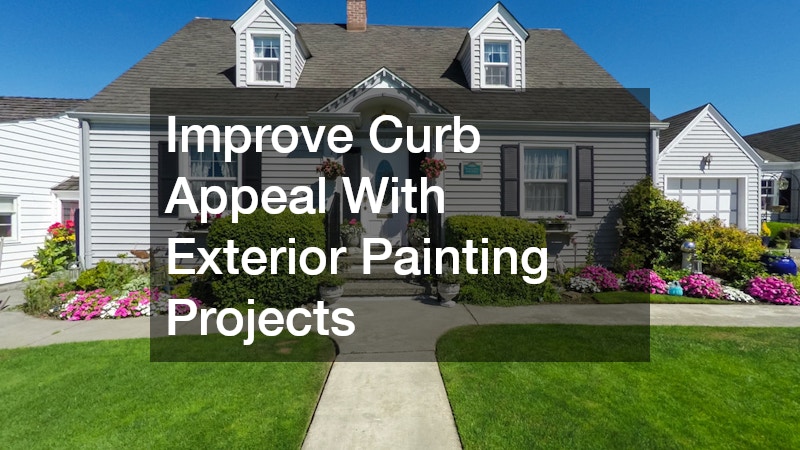
The outside of your home creates the first impression visitors and potential buyers see. Refreshing exterior features can significantly improve curb appeal.
While some homeowners choose to hire house painters, smaller projects can often be completed on your own.
Choose Areas for Small Painting Projects
Instead of repainting the entire home, focus on high-impact areas.
Good DIY painting targets include:
- Front doors
- Window shutters
- Porch railings
- Trim boards
These small updates create noticeable improvements.
Prepare Exterior Surfaces
Outdoor painting requires careful preparation.
Steps include:
- Cleaning surfaces with pressure washing
- Scraping loose paint
- Sanding rough edges
- Applying primer if necessary
Preparation ensures paint adheres properly.
Select Weather-Resistant Paint
Exterior paint must withstand sun, rain, and temperature changes.
Look for:
- UV-resistant formulas
- Moisture-resistant coatings
- Paint designed for outdoor surfaces
If large areas of the home require repainting, professional house painters may provide better results and faster completion.
Conclusion
Summer provides the perfect opportunity to address both indoor and outdoor home maintenance tasks. With longer days and favorable weather conditions, homeowners can tackle projects that improve comfort, safety, and the overall appearance of their property.
From inspecting structural components to refreshing interior spaces and maintaining outdoor features, small improvements made during summer can prevent larger problems later. Consistent maintenance protects your investment while also making your home more enjoyable throughout the season.
Many of the projects outlined in this guide can be completed with basic tools and a little patience. Even when professional assistance becomes necessary, understanding the fundamentals of these tasks helps you make better decisions about repairs and upgrades.
By setting aside time each summer to focus on routine home fixes, you create a healthier, more durable living space that will serve your household well for years to come.